
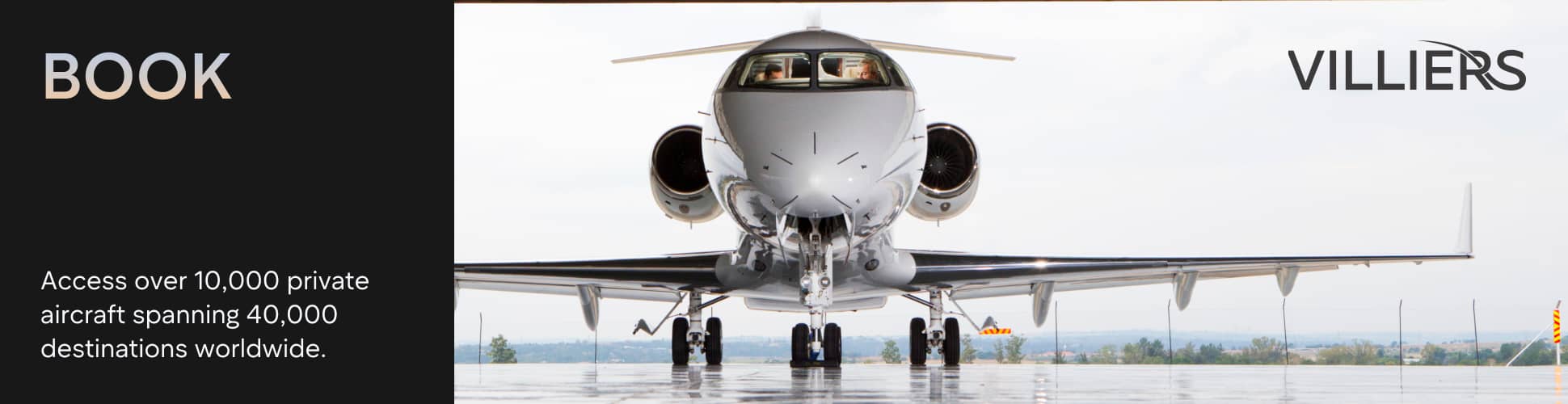
Traveling to and from Aktau, Kazakhstan, has become increasingly vital for those involved in the region’s bustling energy sector, high-net-worth individuals, and remote teams needing quick and reliable access. The city’s strategic location along emerging business corridors makes it a focal point for industries demanding flexibility and efficiency in travel that traditional commercial airlines often cannot provide. Private jet charter services are stepping into this gap, offering tailored flight options that perfectly align with the unpredictable schedules and specialized needs of these travelers.
Energy executives frequently shuttle between Caspian Sea oil fields and global business centers, requiring timely, direct flights that bypass long layovers and congested airports. High-net-worth travelers value not only speed but also privacy and personalized service—features that private jets excel at. Meanwhile, remote teams coordinating projects across Kazakhstan’s vast and sometimes disconnected regions find these private air charters indispensable for maintaining productivity and minimizing downtime. The seamless travel experience reduces complex transfers and cuts transit time drastically.
The strategic importance of Aktau cannot be overstated. Positioned near key oil and gas development zones and serving as a gateway to Central Asia, the city acts as a nexus connecting onshore and offshore energy operations with commercial hubs like Moscow, Dubai, and Istanbul. This makes private aviation more than a luxury—it’s a critical business tool. Private jets deliver the optimal travel solution by allowing passengers to sidestep limited commercial routes, operate on flexible schedules, and access less crowded terminals, meaning less hassle and more control over itineraries.
Airport Capability And Infrastructure At Aktau International Airport
Aktau International Airport provides a solid foundation for private aviation activities with facilities designed to handle a variety of aircraft sizes and operational demands. The airport features a single runway stretching over 3,051 meters (more than 10,000 feet), suitable for accommodating everything from light jets to larger business aircraft and even airliner conversions. Its Instrument Landing System (ILS) enhances flight safety and reliability, particularly valuable given the region’s windy conditions.
While the infrastructure is functional, the Fixed Base Operator (FBO) services found at Aktau are somewhat basic compared to international standards. Passengers can expect a comfortable but modest VIP lounge where expedited customs and immigration clearances are performed, helping private travelers avoid long waits common at commercial terminals. Ground handling is efficient, though maintenance services for private aircraft are more limited, primarily focusing on routine checks and refueling operations.
Parking and hangar availability are adequate but not expansive. Private aircraft can be accommodated on apron spaces close to the terminal, with hangar options generally reserved for local operators or long-term stays. Since the airport predominantly operates within daylight hours, private jet pilots may need to arrange after-hours clearance well in advance, especially when aligning with tight executive schedules or energy sector shifts.
| Facility | Details |
|---|---|
| Runway Length | 3,051 meters (10,010 feet) |
| Available FBO Amenities | VIP lounges, ground handling, fueling, maintenance |
| Parking and Hangar Space | Apron parking with limited hangars |
| Operational Hours | Daylight hours with potential after-hours clearance |
| Air Traffic Control | Standard military and civilian coordination |
Restricted ground amenities mean travelers should temper expectations for luxury on the ground. Simple refreshments rather than gourmet catering dominate, and full-service spas or luxury concierge services are absent. That said, the airport’s streamlined processes for private arrivals ensure quicker transitions through passport and customs control, enhancing the overall journey despite fewer extras on site.
Popular Private Jet Routes To And From Aktau
Most private jet operations from Aktau focus on connecting energy-rich and economically significant cities both within Kazakhstan and in neighboring countries. Key domestic routes include flights to Almaty and Nur-Sultan, Kazakhstan’s primary business hubs, typically taking two to three hours depending on the aircraft and conditions. Quick hops are also common to Atyrau, supporting the region’s oil field access.
Internationally, popular routes link Aktau to important energy capitals like Moscow, Dubai, and Istanbul. These cities serve as crucial connection points for accessing wider global networks. For example, a direct private jet flight between Aktau and Dubai caters to executives traveling between Central Asia and the Gulf, slashing long multi-stop commercial itineraries down to a few hours.
Emerging trends show an uptick in regional travel for remote teams working on joint projects across Caspian states, with shorter frequent flights to cities like Baku and Tehran. Flight frequency and duration vary seasonally, with more activity seen during energy sector peak times and project cycles.
- Flexible departures and arrivals tailored to business hours
- Ability to include multiple stopovers without complex rebooking
- Time savings over commercial schedules with strict time slots
Compared to commercial flights, private jets offer an unmatched level of convenience, especially for schedules requiring last-minute changes or privacy. Skipping layovers and bypassing crowded airport terminals translates to a smoother journey, critical for high-stakes meetings and sensitive cargo transport.
Key Factors Affecting Private Jet Operations In Aktau
The operational environment around Aktau presents some unique challenges for private jet travel that must be factored into scheduling and planning. One major influence is the local weather. The region experiences seasonal winds and occasional dust storms that can reduce visibility and delay departures, especially impacting smaller aircraft. While the airport rarely shuts down, pilots and operators must maintain flexible time buffers to accommodate these natural elements.
Regulatory requirements in Kazakhstan require careful attention to customs, permits, and overflight clearances. Operators often navigate multiple government layers to secure all necessary documents prior to departure. Although private aviation enjoys some streamlined processes, diplomatic clearances can still delay flights, particularly for corporate travelers carrying sensitive equipment or cargo.
A notable constraint stems from the limited ground support infrastructure. This includes fewer advanced navigational aids and contingency services compared to major hubs. In practice, this means that aircraft operators must plan carefully to mitigate risks:
- Coordinate closely with local ground handlers for fuel and maintenance
- Prepare for alternate airports in case of sudden weather shifts
- Ensure all regulatory paperwork and passenger documentation are thoroughly checked
Security protocols in Aktau are geared towards efficiency but lack the intensity seen in larger international airports. For travelers requiring enhanced privacy or protection, operators often implement additional measures such as pre-arranged secure transport and liaison with local security agencies.
Through detailed pre-flight planning and partnerships with regional experts, private jet operators successfully minimize operational disruptions. Understanding and adapting to Aktau’s distinct aviation landscape allows executives and high-net-worth clients to enjoy the benefits of private air travel without costly surprises.
Aircraft Options for Private Charter in Aktau Region
Choosing the right aircraft for private charter in the Aktau region often hinges on runway length and passenger needs. Aktau International Airport boasts a runway over 10,000 feet long, ample for most private jets, from light to heavy categories. Light jets suit quick hops with 4 to 8 passengers and are great for short regional legs. Midsize jets offer more cabin space and range while still fitting comfortably on Aktau’s runway, ideal for groups up to around 9 passengers. Heavy jets come into play for larger parties or longer international legs, offering extended range and plush accommodations but requiring more ground support.
Among popular models on Aktau routes, the Cessna Citation series and Learjet 60 are frequently deployed for light jet needs, accommodating 5-7 passengers with ranges up to 2,500 miles—perfect for flights to Baku or Almaty. Midsize jets such as the Hawker 800XP or Citation XLS seat 8-9 passengers comfortably, cruising 1,800 to 2,000 miles non-stop. Heavy jets like Gulfstreams G450/G550 and Bombardier Global Express serve VIPs and oil industry executives, offering 12-16 seats with transcontinental range, crucial for direct flights to hubs like Dubai or Istanbul.
Customization of these aircraft caters heavily to the energy sector and luxury travelers. Onboard facilities range from quiet workstations with Wi-Fi (subject to connectivity limitations over Central Asia) to fully equipped meeting areas and premium catering, often arranged offsite in regional centers due to local restrictions. Luxurious leather seating, entertainment systems, and privacy screens are standard in heavy jets, ensuring comfort during long-haul charters.
Cost-wise, light jets present a budget-friendly option, typically starting around $4,000–$5,000 per flight hour, while midsize jets may double that depending on configuration. Heavy jets command premium pricing—easily $8,000–$12,000 per hour—reflecting larger fuel burns and slower fleet turnover in this niche market. Availability in the region varies, with local operators responding quickly for short-notice requests, but larger global operators offer more diversified fleets and access to specialized models.
Pricing and Booking Strategies for Private Jet Charter in Aktau
Pricing private jet charters in Aktau follows familiar global models but with regional nuances. Hourly rates form the base, influenced by aircraft category, availability, and fuel costs. Repositioning fees occur when jets must fly empty to or from Aktau, often adding significant cost unless booked as discounted “empty leg” flights. Variable costs like airport fees, handling charges, and customs paperwork also factor in, with Kazakhstan’s customs sometimes requiring additional processing fees.
Seasonal demand peaks during shifts in the oil and gas workforce, especially early Monday mornings and late Friday afternoons, pushing prices higher. Fuel prices, which fluctuate in Central Asia, directly affect hourly rates. Airport fees in Aktau are moderate compared to international hubs but may rise with after-hours or special handling requests.
Comparing costs across jet types highlights the trade-off between size and efficiency. Light jets cost roughly $4,000 to $6,000 per hour; midsize jets generally hit $7,000 to $10,000 per hour; and heavy jets can command hourly fees above $10,000. Payload capabilities also affect price: heavier jets carry more passengers and luggage but consume more fuel and require more ground support.
Best booking practices stress securing aircraft 24–48 hours ahead to access optimal rates and ensure preferred departure slots, though some operators do offer same-day charters. Brokers and digital charter platforms streamline the booking process, negotiating rates, arranging clearances, and offering real-time availability updates. Platforms like Mercury Jets and Jettly combine multiple providers, easing route complexity for clients.
To maximize value, travelers consider strategies such as:
- Booking empty leg flights that can cut costs by 50% or more
- Opting for multi-leg charters when multiple destinations are involved
- Leveraging membership programs for preferred pricing and expedited service
Flexibility and close communication with brokers are key for negotiating best prices and flight windows amidst the dynamic Central Asian charter market.
Optimizing Private Flight Logistics for Business Travelers and Remote Teams
Coordinating private flights to and from Aktau requires careful planning to ensure smooth transfers. Syncing ground transportation with arrival times avoids delays—especially since local FBO services are more functional than luxurious. Multi-stop itineraries common among energy teams flying to remote sites demand tight coordination between flights and ground handlers.
Corporate travelers must also navigate paperwork efficiently. Organizing visas and customs documentation ahead of time reduces gate-side holdups. It’s wise to carry hard copies of passenger manifests and visa approvals since airport staff often prefer physical documents.
Flight timing ideally aligns with tight business schedules—early arrivals enable same-day meetings, while late departures accommodate after-hours collaborations. Jet availability can fluctuate, so booking windows that incorporate some buffer time guard against weather or clearance delays.
Technology plays a big role—apps and broker platforms provide real-time status updates, enabling proactive rerouting or schedule changes. For instance, delayed dust storms have caused flights to reschedule; teams equipped with communications tools responded without disruption to project timelines.
Remote teams often combine private charters with Kazakhstan’s road networks, using light aircraft to leapfrog long ground drives. For longer inland legs, commercial flights from hubs like Almaty link with charter hops at Aktau, creating efficient hybrid logistics tailored to demanding project needs.
Successful arrangements hinge on understanding local resources, building redundancy into schedules, and utilizing regional aviation experts familiar with Kazakhstan’s terrain and customs protocols.
Local Challenges and Practical Solutions
Flying private charter in Aktau comes with unique operational challenges. Airport ground support is limited; advanced planning is essential to avoid bottlenecks. Ground handlers handle immigration and customs quickly, but passenger services remain basic—arranging in-flight catering from larger cities or packing meals ensures comfort without surprises.
The region’s dry, windy climate occasionally triggers weather delays, particularly dust storms that can ground smaller jets. Integrating buffer time into itineraries prevents cascading disruptions during tight schedules.
Navigating Kazakhstan’s regulatory environment demands active coordination with local aviation authorities. Securing permits, customs clearance, and communication with airport officials upfront can avert last-minute roadblocks. Utilizing regional experts and trusted ground handlers bridges infrastructure gaps and speeds processing.
Safety remains paramount—operators adhere to health protocols and collaborate with local emergency responders, but travelers should be prepared with contingency plans, especially when visiting remote or less-developed areas.
Recommendations for maximizing reliability in this travel environment include:
- Hiring dedicated local aviation coordinators well-versed in paperwork and passenger facilitation
- Allowing extra time for ground handling and unexpected delays
- Requesting robust contingency coverage from charter providers to handle weather or mechanical issues
- Confirming aircraft fueling and maintenance arrangements prior to arrival
These strategies help overcome Aktau’s operational challenges, making private flying both feasible and efficient despite regional quirks.