
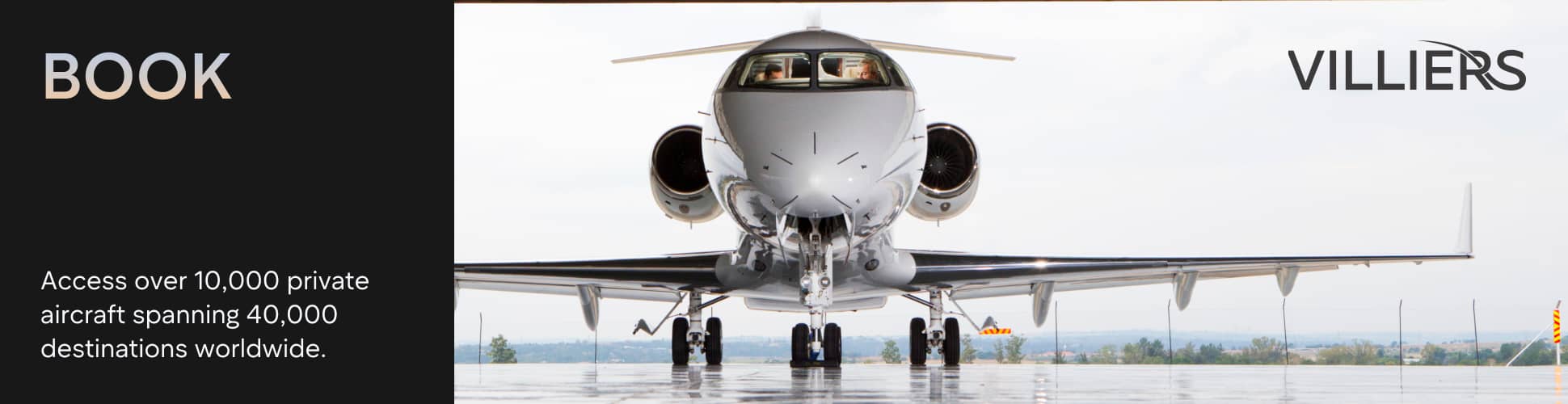
Traveling to Apia, Samoa, by private jet is swiftly becoming a favored choice for those seeking a blend of luxury, convenience, and adventure in the South Pacific. The allure of private jet charters here isn’t just about indulgence—it’s a response to the region’s unique travel demands and the desires of modern explorers. Why is private jet travel gaining momentum across these islands? It’s simple: time is precious, and access is limited for many.
The Rising Popularity Of Private Jet Charters To And From Apia
The South Pacific’s stunning beauty remains relatively remote, with commercial flights often limited and time-consuming. Private jets are stepping in to fill that gap, offering direct, efficient routes that transform what was once a logistical challenge into a streamlined journey. For luxury travelers, private charters translate to bespoke experiences—from customized in-flight services and privacy to the freedom of designing their own schedules without the constraints of commercial timetables.
Corporate teams find immense value in private jet travel to Apia, where time-sensitive meetings and retreats benefit from seamless, punctual arrivals and departures. Digital nomads and remote workers also appreciate the flexibility private aviation provides, enabling them to effortlessly switch between islands or return home without getting stuck in lengthy layovers or unpredictable commercial schedules.
Apia itself is a fascinating destination and a growing hub. Nestled on the island of Upolu, Samoa’s capital blends tropical landscapes with rich cultural experiences that range from ancient star mounds and traditional fale architecture to lively markets and the famous Robert Louis Stevenson Museum. This combination of natural beauty and cultural depth makes it more than just a pit stop; it’s a place worth exploring in its own right.
Travel Challenges Posed By Apia’s Remote Location
Despite its charm, Apia’s remoteness has long posed significant hurdles for travelers relying on commercial airlines. Geographic isolation means few direct flights exist, and routes often involve multiple stops through hubs such as Auckland or Fiji, adding hours or even days to travel time. Limited infrastructure and runway size at Faleolo International Airport restrict the type and frequency of aircraft that can accommodate commercial schedules efficiently.
Scheduled commercial flights to Apia tend to be infrequent, sometimes only a handful each week. This scarcity of options complicates planning, especially for travelers with tight itineraries or last-minute changes. Flight cancellations or delays in the region can cascade into long wait times due to the lack of alternative flights.
Remote airport facilities also impact the ease of travel. Without the extensive ground support seen at major international hubs, passengers confront fewer amenities, less frequent customs and immigration services, and reduced connectivity options for onward transport. These factors combine to make flexible scheduling a challenge for commercial travelers, often forcing inconvenient early arrivals or late-night departures.
Common frustrations on traditional routes include:
- Long layovers in distant hubs
- Unpredictable flight timings and cancellations
- Crowded aircraft and limited cabin comfort
- Excessive baggage restrictions and security delays
How Private Aviation Overcomes These Challenges
Private aviation offers a compelling solution to Apia’s logistical hurdles by providing direct, non-stop access to Faleolo International Airport. With private jets, travelers eliminate layovers altogether, cutting journey times dramatically and reducing travel stress. The ability to land directly in Apia creates a seamless experience that commercial routes simply cannot match.
Flexibility is another key advantage. Private charters tailor departure and arrival times precisely around clients’ needs—whether it’s a midday arrival for a business meeting or a late-night departure to maximize time on the island. Adjustments can be made on short notice, something rarely possible on scheduled commercial flights.
Privacy is paramount for high-net-worth individuals and corporate groups. The exclusivity of private jets allows travelers to conduct business calls, host confidential meetings in-flight, or simply enjoy time with family and friends without interruptions. This environment also facilitates the transport of specialized equipment and baggage without the restrictions commercial airlines impose.
Some real-world examples illustrate the convenience:
| Scenario | Commercial Flight | Private Jet Charter |
|---|---|---|
| Corporate Team Arrival from Sydney | Multiple stops; 16+ hours total travel with layovers in Auckland and Fiji | Direct 7-hour flight; arrival timed for morning meetings |
| Luxury Traveler Returning to Auckland | Early departure with limited daily flights; forced overnight layover in Fiji | Flexible afternoon departure; non-stop flight allowing a same-day arrival |
In short, private jet charters turn the otherwise complex journey to and from Apia into a manageable, time-saving, and highly comfortable experience.
Airport Infrastructure and Facilities at Apia, Samoa
Faleolo International Airport (APW) acts as the main gateway to Apia, Samoa, positioned roughly 40 kilometers from the city center. Despite its modest size, the airport is surprisingly capable of accommodating a variety of private jets, including light, midsize, and even some heavy jets with weight restrictions. The single 9,800-foot runway is suitable for most private aircraft types, supported by an Instrument Landing System (ILS), which ensures better operational reliability during tropical weather conditions common in the region.
Private aviation clients benefit from streamlined customs and immigration services tailored to expedite arrivals and departures. Visitors arriving on private jets often experience shorter processing times compared to commercial passengers, although advance notification to airport authorities is crucial to ensure smooth clearances. Staff are familiar with handling specialized requirements such as pet travel and unusual cargo, provided proper documentation is arranged ahead.
Ground support caters to travelers and flight crews with essentials like helicopter transfers, car rentals, and dedicated private aviation handling. While Faleolo doesn’t boast a full-scale fixed-base operator (FBO) like larger international hubs, on-demand services cover fueling, catering, and basic passenger amenities. Crew facilities are adequate for rest and briefings.
Recent upgrades have focused on modernizing navigation aids and expanding apron space, improving handling efficiency for private charters. Plans are underway to enhance passenger waiting areas and ground support infrastructure to better serve the rising number of luxury travelers opting to skip commercial connections. These improvements align with Samoa’s increasing appeal as a South Pacific destination accessible by private aviation.
Aircraft Options and Flight Route Considerations
Choosing the right private jet for flights to Apia depends heavily on range, runway requirements, and intended flight legs. Turboprops and light jets excel on short hops within the South Pacific, such as flights from nearby Pago Pago or Fiji, where runway length and payload demands are moderate. Midsize jets, like the Citation XLS or Hawker 900XP, strike a balance between comfort and range for routes originating in Auckland or Sydney.
Long-range business jets, such as the Gulfstream G650 or Bombardier Global series, are increasingly favored for direct flights from farther hubs like Brisbane or even Los Angeles, circumventing commercial layovers. However, heavier jets may face weight limitations due to runway length and fuel availability at Faleolo, requiring careful pre-flight planning to optimize payload and fuel stops.
Faleolo’s 9,800-foot runway accommodates most private aircraft confidently, but pilots must always verify performance data considering tropical temperatures and wet runway conditions during Samoa’s wet season. Typical routes involve direct flights from New Zealand’s Auckland Airport, Australia’s Sydney or Brisbane, and regional points like Nadi, Fiji. These routes enable seamless connectivity without the hassle of multiple stopovers.
On top of aircraft performance concerns, regulatory factors also come into play. Operators must navigate specific South Pacific airspace restrictions and customs protocols, plus any bilateral agreements between Samoa and transit countries. For instance, flight planners often coordinate overflight rights and immigration permits well in advance to avoid delays.
Logistics for Organizing Private Jet Charters
Securing a private jet charter to Apia hinges on connecting with well-established operators who understand the nuances of South Pacific travel. Global brokers like PrivateFly, Mercury Jets, or local specialists provide tailored solutions, offering quick quotes and multi-leg itinerary planning for travelers with diverse needs.
Key to smooth operations is advance planning. Slots at Faleolo can be limited during peak seasons, making it wise to book at least several weeks ahead to lock in preferred aircraft and timing. Early communication with customs and airport officials is essential to streamline arrivals, especially when carrying special cargo, pets, or conducting group charters.
Budgeting varies widely depending on aircraft type, route complexity, and on-ground services requested. For luxury travelers, consider the following tips to keep costs manageable:
- Book round-trip legs whenever possible to secure better rates.
- Be flexible with flight timings to avoid peak demand surcharges.
- Consolidate charters for groups or multiple destinations in the South Pacific to optimize pricing.
- Engage operators who include ground transportation and catering in package deals to reduce separate costs.
By coordinating all stakeholders — from brokers and pilots to customs agents — travelers enjoy a seamless journey from departure to touchdown. This holistic approach minimizes surprises, making private jet travel to Apia not just efficient but genuinely relaxing.